After the holidays, it’s not uncommon to feel a little off. The excitement of family visits and festive gatherings gives way to quieter days, and the shorter daylight hours of January can sometimes leave seniors feeling sluggish, unmotivated, or even blue. These post-holiday blues—often referred to as the “January blahs”—are especially common among older adults, but they don’t have to linger.
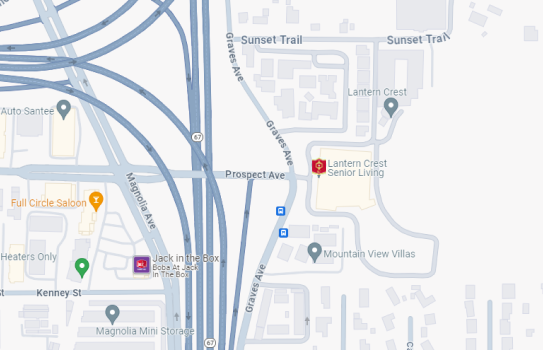
At Lantern Crest Senior Living in Santee, we understand how seasonal changes can impact mental and emotional wellness. That’s why we offer a holistic approach to helping our residents stay engaged, uplifted, and thriving all year long. From light therapy to community-based mood boosters, there are many ways seniors can shake off the January slump and feel energized again.
Here’s a closer look at how light therapy and other natural mood-enhancing activities can help brighten the start of the year for senior residents.
Understanding the “January Blahs”
Post-holiday fatigue, changes in routine, and reduced daylight hours can all contribute to feelings of sadness or low energy. While these symptoms are usually temporary, they can feel very real—especially for older adults who may be more sensitive to changes in light or activity levels. In some cases, this time of year may also bring on symptoms of Seasonal Affective Disorder (SAD), a type of depression linked to limited sunlight exposure.
Common signs of the January blahs include:
- Low energy or persistent fatigue
- Changes in sleep patterns
- Loss of interest in activities
- Difficulty concentrating
- Mood swings or irritability
The good news? Seniors don’t have to face these feelings alone. With the right strategies and a supportive environment, it’s possible to turn the winter months into a season of renewal and positivity.
1. Light Therapy for Seniors
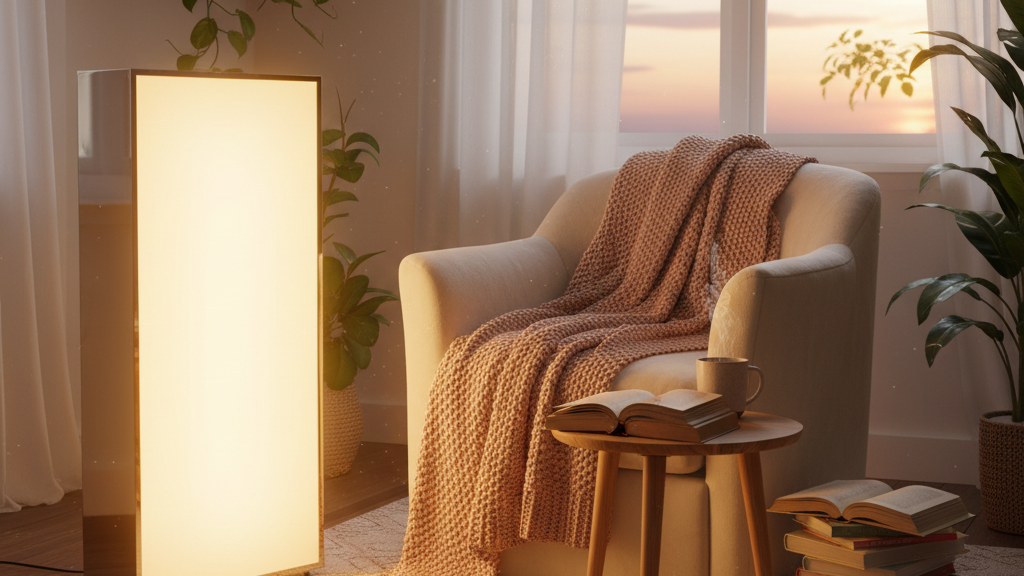
Light therapy is one of the most effective and natural ways to combat winter-related mood changes. This non-invasive treatment involves exposure to a special lamp that mimics natural sunlight, helping to regulate the body’s internal clock (circadian rhythm) and stimulate the production of mood-boosting chemicals like serotonin.
At Lantern Crest, we incorporate light therapy into wellness routines for residents who benefit from it. A typical session might include sitting near a light therapy box for 20–30 minutes in the morning while enjoying coffee, reading, or socializing with friends. It’s a gentle, accessible, and scientifically backed way to improve mood and boost energy during the darker months.
Benefits of light therapy include:
- Improved mood and reduced symptoms of depression
- Increased energy and alertness
- Better sleep regulation
- Enhanced overall sense of well-being
2. Staying Active and Physically Engaged
Physical movement is a powerful mood booster, especially for seniors. Even light exercise can release endorphins—the body’s natural “feel-good” chemicals—and help reduce symptoms of anxiety or depression. At Lantern Crest, residents have access to fitness programs designed to be both safe and effective, no matter their mobility level.
Popular movement-based activities include:
- Chair yoga and stretching classes
- Guided walks around the grounds
- Balance and coordination training
- Low-impact aerobics
Daily movement doesn’t just improve physical health—it also enhances mental clarity and boosts self-confidence. Making exercise part of your winter routine is one of the most reliable ways to stay energized and uplifted.
3. Social Connection and Purpose
Isolation can increase feelings of sadness or boredom, especially in the quieter months after the holidays. Staying socially engaged is a key part of emotional wellness, and at Lantern Crest, our vibrant community life makes it easy for residents to stay connected.
Whether it’s participating in a group craft, joining a book club, or attending one of our many social events, there’s always something to look forward to. Social interaction stimulates conversation, laughter, and a sense of belonging—powerful antidotes to the winter blues.
Try this: Make a weekly goal to attend one new event or activity. Whether it’s an art class, music night, or group discussion, new experiences can lift spirits and foster new friendships.
4. Nutrition That Supports Mood
The food we eat plays a major role in how we feel. A balanced diet rich in essential nutrients can help stabilize mood, reduce inflammation, and support brain health. During the winter months, it’s particularly important for seniors to get enough Vitamin D, which is often called the “sunshine vitamin.”
At La