According to the U.S. Department of Health and Human Services (2024), approximately 70% of Americans over age 65 will require long-term care services. When personal savings become depleted, five primary funding pathways can cover assisted living costs within 60-90 days: Medicaid waiver programs, Veterans Affairs benefits, state assistance programs, life insurance conversions, and home equity solutions.
Skill Level: Intermediate (requires document gathering and application processes)
Time Required: 4-12 weeks for initial approvals
Cost: Application fees vary $0-$500 depending on program
Before You Begin: Prerequisites

Required Information:
- Complete financial records for past 60 months (bank statements, investment accounts)
- Medical assessment documenting care needs from licensed physician
- Social Security number and Medicare card
- Property deeds and asset documentation
- Military discharge papers (DD-214) if applicable
Estimated Financial Threshold: Most programs require assets below $2,000 for individuals or $3,000 for couples (federal limits).
Step 1: Apply for Medicaid Long-Term Care Coverage

Medicaid remains the primary payer for assisted living when savings are exhausted. According to the Centers for Medicare & Medicaid Services (2024), Medicaid covers assisted living through Home and Community-Based Services (HCBS) waivers in 47 states.
Action Steps:
- Contact your state Medicaid office to request HCBS waiver application forms
- Complete the financial eligibility assessment (income must be below $2,829 monthly for individuals)
- Submit medical documentation proving need for assistance with two or more Activities of Daily Living (ADLs)
- Identify Medicaid-approved assisted living facilities in your area
- Wait for approval notification (typically 45-90 days)
Important Note: Understanding how to pay for assisted living through Medicaid requires navigating state-specific eligibility rules, as coverage levels and facility participation vary significantly by location.
Step 2: Explore Veterans Benefits (Aid and Attendance)
The U.S. Department of Veterans Affairs provides Aid and Attendance benefits up to $2,295 monthly for qualifying veterans requiring assisted living. Unlike Medicaid, this benefit supplements other income sources.
Action Steps:
- Verify veteran status and wartime service eligibility (90+ days active duty with at least one day during wartime)
- Download VA Form 21-2680 (Examination for Housebound Status or Permanent Need for Regular Aid and Attendance)
- Obtain physician certification of care needs
- Submit application through VA regional office or accredited Veterans Service Organization
- Provide three years of financial statements
Processing Time: VA Aid and Attendance applications average 6-8 months for approval (VA Office of Inspector General, 2024).
Step 3: Investigate State and Local Assistance Programs
Forty-three states operate Supplemental State Programs (SSP) that provide additional monthly payments beyond federal Supplemental Security Income (SSI). According to the Social Security Administration (2024), SSP payments range from $10 to $400 monthly depending on state.
Action Steps:
- Visit your state’s Department of Aging website to identify available programs
- Research county-level assistance through Area Agencies on Aging
- Apply for Supplemental Security Income if not currently receiving benefits
- Inquire about state pharmacy assistance programs to reduce medication costs
- Contact local nonprofit organizations offering senior housing subsidies
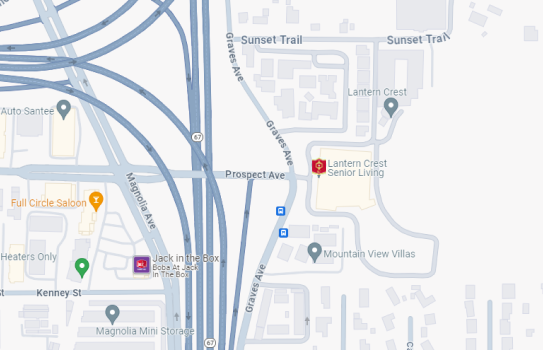
Regional cost variations significantly impact affordability. For California residents, reviewing how much senior living costs in Santee, California provides essential context for budgeting state-specific assistance.
Step 4: Consider Life Insurance Conversion Options
Life insurance policies with cash value can be converted to assisted living funding through three mechanisms: policy loans, viatical settlements, or life settlements.
Action Steps:
- Review existing life insurance policies to determine cash surrender value
- Contact insurance carrier to request policy loan (typically 90% of cash value at 5-8% interest)
- For terminal illness diagnosis (life expectancy under 24 months), explore viatical settlements paying 50-80% of death benefit
- For policies over $100,000 and age 65+, investigate life settlement companies offering 20-60% of death benefit
- Compare offers from minimum three licensed settlement brokers
Timeline: Policy loans process within 7-14 days; settlements require 30-60 days.
Step 5: Explore Bridge Loan and Reverse Mortgage Solutions
For homeowners awaiting approval of other funding sources, bridge financing provides temporary coverage. According to the National Reverse Mortgage Lenders Association (2024), reverse mortgages allow homeowners age 62+ to access home equity without monthly payments.
Action Steps:
- Schedule HUD-approved reverse mortgage counseling (mandatory requirement)
- Obtain home appraisal to determine borrowing capacity
- Compare Home Equity Conversion Mortgage (HECM) offers from three lenders
- Review proprietary reverse mortgage products for homes valued over $1,089,300
- Calculate monthly payment option versus lump sum distribution
Caution: Reverse mortgages require homeowner to maintain property taxes and insurance. Failure to meet obligations triggers loan default.
Troubleshooting Common Issues
If Medicaid application is denied: Request written denial explanation and appeal within 30 days. Contact state Long-Term Care Ombudsman for advocacy assistance.
If income exceeds Medicaid limits: Establish a Qualified Income Trust (Miller Trust) to shelter excess income. This legal mechanism costs $500-$1,500 to establish through elder law attorney.
If facility doesn’t accept Medicaid: According to federal regulations, facilities cannot evict residents who become Medicaid-eligible after private-pay admission, provided they applied for Medicaid before savings depletion.
If VA benefits are delayed: Request interim assistance from state veterans’ homes, which offer subsidized care while federal applications process.
Next Steps: Long-Term Financial Planning
After securing immediate funding, implement these protective measures:
- Designate durable power of attorney for healthcare and finances before cognitive decline
- Consult elder law attorney about spend-down strategies to preserve spousal assets
- Document all medical care needs to support ongoing benefit renewals
- Review Medicaid redetermination requirements (typically annual reassessment)
- Explore supplemental nonprofit assistance for personal needs allowance enhancement
Financial planning for assisted living without savings requires proactive application to multiple programs simultaneously, as approval timelines vary significantly and layering benefits maximizes available resources.