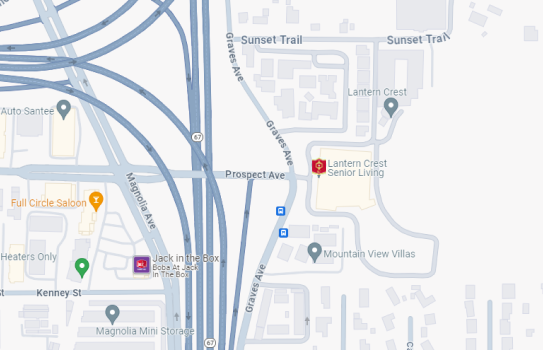

Outcome: By following this guide, you will calculate an accurate monthly budget for assisted living cost San Diego families can expect in 2025. Timeframe: 2–3 hours of research. Skill level: Beginner — no financial or legal background required. The average cost of assisted living in San Diego County in 2024 is approximately $6,500 per month,… Read More
What Is Senior Living in Santee and East County San Diego?

Senior living in Santee and East County San Diego refers to a network of housing and care options—including independent living, assisted living, memory care, and skilled nursing facilities—designed to support older adults across the cities of Santee, El Cajon, La Mesa, Lakeside, and Alpine, California. These communities range from active 55+ apartment complexes to full-service… Read More
What Is a Holiday Visit Warning Sign? A Family Caregiver’s Guide to Spotting Elderly Parent Decline

A holiday visit warning sign is any observable change in an aging parent’s health, behavior, or home environment that signals declining independence or safety. These signs often surface most clearly during infrequent, extended visits—like Thanksgiving or Christmas—when adult children notice differences that phone calls and video chats can hide. According to the Alzheimer’s Association (2024), family… Read More
How to Talk to Aging Parents About Senior Living: 8-Step Guide

Outcome: This guide helps you have a productive, respectful conversation with your aging parent about senior living within 2-4 weeks. Skill level: Beginner-friendly, though emotionally challenging. Time investment: 3-5 conversations over several weeks, plus 5-10 hours of research. Talking to elderly parents about care is one of the most emotionally complex conversations a family caregiver will face. According to the National… Read More
What Is the Difference Between Independent Living and Assisted Living? Understanding Senior Housing Options
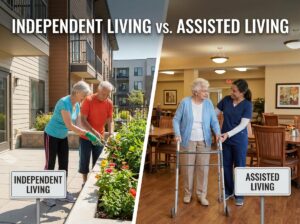
Independent Living is a senior housing option designed for active adults who require minimal to no assistance with Activities of Daily Living (ADLs), while Assisted Living is a residential care setting that provides personal care services and support with daily activities for elderly residents who need help with bathing, dressing, medication management, and mobility assistance…. Read More
What Questions Should You Ask on an Assisted Living Tour in Santee? Essential Guide for Families

Questions you should ask on an assisted living tour in Santee are structured inquiries about care quality, safety protocols, staffing qualifications, costs, and daily services that help families evaluate whether a facility meets their loved one’s needs. These questions encompass staff credentials, resident care ratios, emergency response systems, activities of daily living assistance, and contractual… Read More
What Is the Difference Between Assisted Living and Memory Care? Senior Housing Options Explained

Assisted Living Facilities provide personal care services and daily living assistance to seniors who remain largely independent, while Memory Care Units offer specialized dementia care services in secure environments designed specifically for individuals with Alzheimer’s Disease, dementia, or significant cognitive impairment. According to the Alzheimer’s Association (2024), approximately 6.9 million Americans aged 65+ live with… Read More
What Is Respite Care? Understanding Short-Term Senior Stays and Relief Services

Respite care is temporary senior care that provides short-term relief to primary caregivers while ensuring elderly adults receive professional supervision and assistance with Activities of Daily Living (ADLs). According to the ARCH National Respite Network, respite care services range from a few hours to several weeks and can occur in the senior’s home, at adult… Read More
How to Pay for Assisted Living Without Savings: 5-Step Guide

According to the U.S. Department of Health and Human Services (2024), approximately 70% of Americans over age 65 will require long-term care services. When personal savings become depleted, five primary funding pathways can cover assisted living costs within 60-90 days: Medicaid waiver programs, Veterans Affairs benefits, state assistance programs, life insurance conversions, and home equity… Read More
What Does Long-Term Care Insurance Cover for Assisted Living in California? Complete Guide
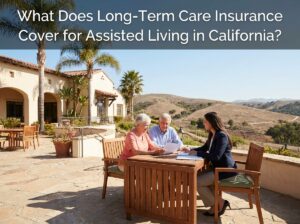
Long-term care insurance for California assisted living covers custodial care services, personal care assistance, and activities of daily living (ADLs) support in licensed residential care facilities when policyholders meet eligibility requirements. According to the California Department of Insurance, these policies reimburse specific care services but typically exclude room and board expenses at assisted living facilities…. Read More