
Respite care is temporary senior care that provides short-term relief to primary caregivers while ensuring elderly adults receive professional supervision and assistance with Activities of Daily Living (ADLs). According to the ARCH National Respite Network, respite care services range from a few hours to several weeks and can occur in the senior’s home, at adult day care centers, or in residential care facilities.
Family caregivers provide an estimated 37 billion hours of unpaid care annually to aging relatives in the United States. This intensive caregiving often leads to caregiver burnout and caregiver stress, making temporary care solutions essential for sustaining long-term eldercare arrangements. Short-term senior stays offer caregivers necessary time off while maintaining continuity of care for senior citizens.
Key Characteristics of Respite Care Services
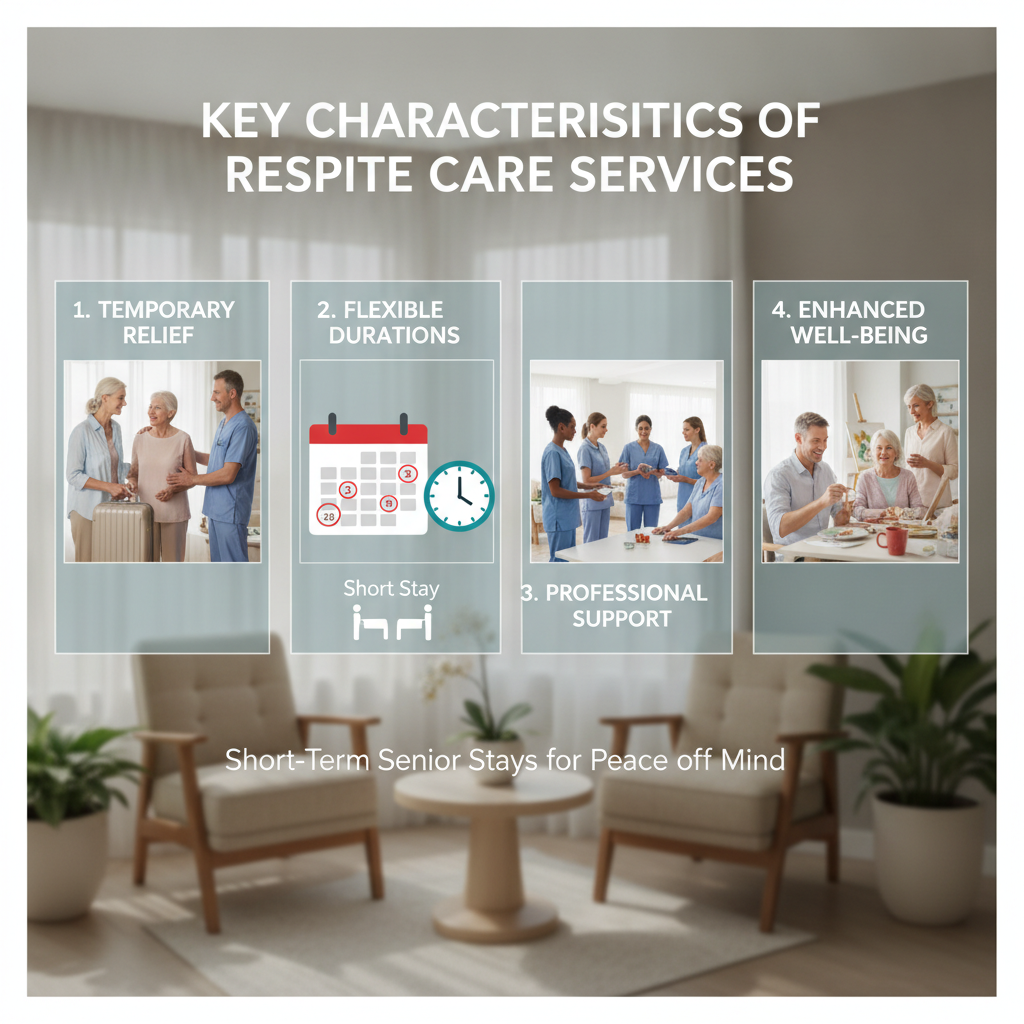
Respite care for elderly adults exhibits five defining characteristics that distinguish it from other senior care options:
- Temporary Duration: Stays typically last from several hours to 30 days, with most respite stays averaging 7-14 days in assisted living facilities or skilled nursing facilities.
- Flexible Location: Services include in-home care, community-based services, facility-based respite at nursing homes, or adult foster care arrangements.
- Professional Supervision: Licensed nurses, certified nursing assistants, or home health aides provide medical oversight and assistance with ADLs.
- Planned or Emergency: Families can schedule planned respite for vacations or access emergency respite during caregiver illness or crisis intervention situations.
- Comprehensive Services: Respite care providers offer medication management, physical therapy, occupational therapy, social activities, and meal preparation tailored to individual needs.
How Short-Term Senior Stays Work: A Step-by-Step Process
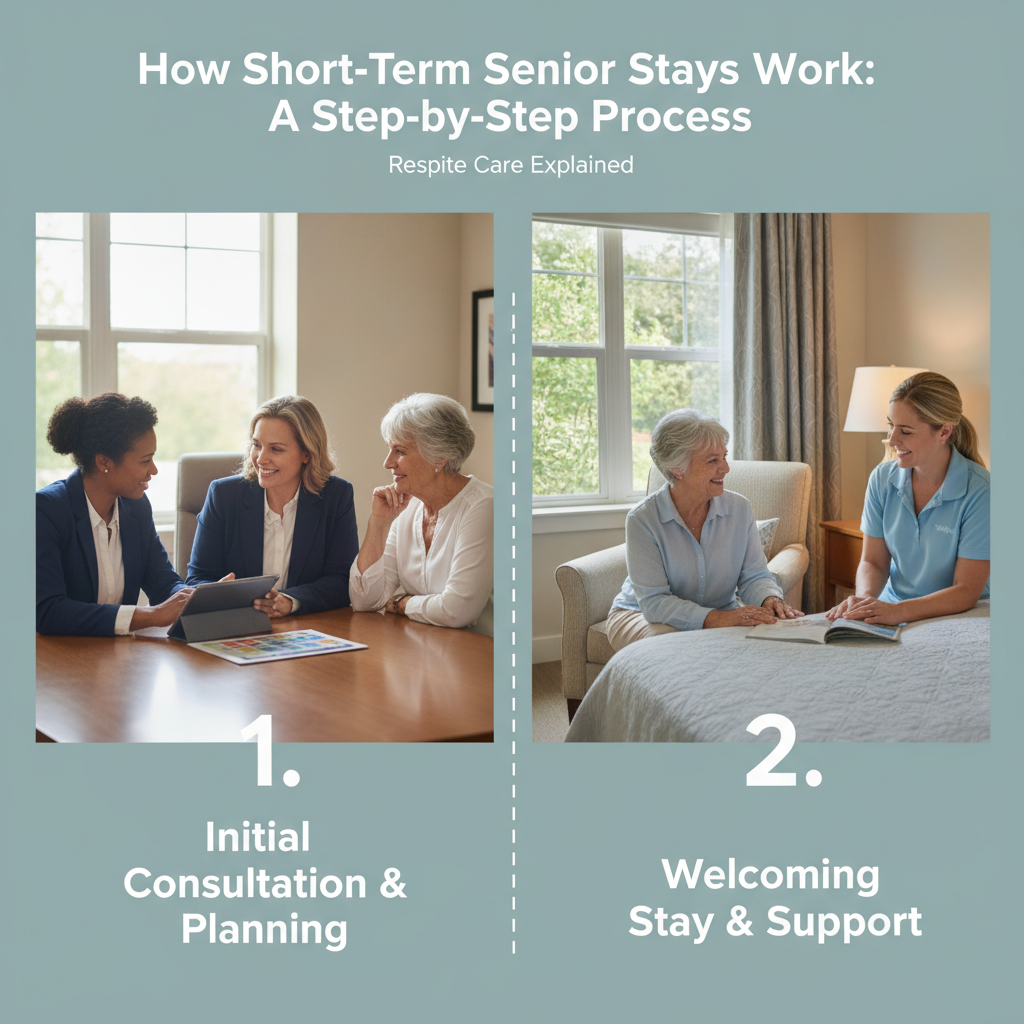
Arranging temporary senior care follows a systematic process that ensures appropriate placement and care quality:
- Assessment Phase: Healthcare providers or geriatric care managers evaluate the senior’s medical needs, cognitive status, and care requirements. Social workers from the Area Agency on Aging can conduct free senior care assessments.
- Provider Selection: Families research respite care providers through the National Respite Network, compare facility-based respite options, and consider respite care for seniors Santee and similar local resources.
- Eligibility Verification: Determine respite care eligibility through Medicare, Medicaid, Veterans Affairs benefits, or long-term care insurance. Medicare covers up to 5 days of respite care in hospice settings.
- Pre-Admission Planning: Schedule respite care services, complete medical documentation, prepare medication lists, and pack personal items for facility stays.
- Transition Period: Introduce the senior to caregivers or the care facility, establish communication protocols, and set expectations for the temporary care arrangements.
- Monitoring and Adjustment: Respite care providers maintain regular contact with families, document care activities, and adjust services based on the senior’s response to temporary placement.
Types of Respite Care: Understanding Your Options
In-Home Respite Care
In-home respite services allow elderly adults to receive temporary caregiving in familiar surroundings. Home health aides or companion care workers provide hourly respite, daily respite, or overnight care services. This option supports aging in place while giving family caregivers time off for caregiver wellness activities.
Facility-Based Respite Care
Nursing homes, assisted living facilities, and memory care units accept seniors for short-term residency. These settings provide 24-hour supervision, meals, medication management, and social activities. Facility-based respite works well for dementia patients requiring specialized care or seniors needing recuperative care after hospitalization.
Adult Day Programs
Adult day services and senior day care centers offer part-time care during business hours. These community respite programs provide supervised activities, meals, and social engagement, allowing caregivers to work or handle personal responsibilities while ensuring elder care support.
Emergency and Specialized Respite
Crisis intervention services provide immediate temporary senior housing when caregivers face sudden illness or emergencies. Veterans may access VA benefits for respite care through VA medical centers. Hospice care includes short-term respite stays for families caring for terminally ill seniors.
Common Misconceptions About Respite Care
Myth: Respite care means abandoning family responsibilities.
Reality: Temporary care arrangements prevent caregiver burnout and improve long-term care quality. According to geriatric care research (2024), caregivers who use respite services provide better care and experience fewer health problems.
Myth: Only low-income families qualify for respite care assistance.
Reality: Respite care funding comes from multiple sources including Medicare, Medicaid, private insurance, VA benefits, and sliding-scale community programs. Middle-income families often qualify for partial subsidies.
Myth: Respite care facilities provide substandard care.
Reality: Licensed respite care providers must meet state regulations for staffing ratios, training, and safety standards. Many offer the same quality services as their long-term care programs.
Respite Care vs. Long-Term Care: Key Distinctions
Unlike long-term care, which provides indefinite support in nursing homes or assisted living facilities, respite care offers temporary senior services with defined end dates. Long-term care addresses permanent care needs, while respite care serves as caregiver relief services or trial stays before permanent placement. Temporary admission to care facilities costs less than permanent residency because families pay daily rates rather than monthly fees. Respite stays do not require the extensive financial commitment or legal processes associated with long-term care arrangements.
Eligibility and Funding for Respite Care
Medicare covers respite care only through hospice programs (up to 5 consecutive days per stay). Medicaid offers respite care benefits through state waiver programs, with eligibility varying by location. Veterans Affairs provides up to 30 days annually of institutional respite through VA medical centers. Long-term care insurance policies typically include 14-30 days of annual respite coverage. The National Family Caregiver Support Program, administered by Area Agencies on Aging, funds limited respite care for eligible family caregivers. Out-of-pocket costs for facility-based respite range from $150-$350 per day depending on location and services.
Practical Applications: When Families Use Respite Care
Family caregivers access weekend respite care for personal rest or to attend important events. Holiday respite services peak during Thanksgiving and December when caregivers travel. Planned respite allows caregivers to take vacation care breaks, attend to their own medical appointments, or manage work responsibilities. Emergency placement occurs during caregiver hospitalization or family crises. Extended stay care supports transitional care after a senior’s post-hospital care period before returning home. Some families use trial stays to evaluate potential permanent placement in senior care facilities before committing to long-term arrangements.
Finding Quality Respite Care Providers
Evaluate respite care availability by asking what services are provided in respite care settings, reviewing staff credentials, and inspecting facilities in person. When touring potential providers, consider what questions should you ask when touring a senior living community to ensure quality standards. Verify licensing status through state health departments, request references from current families, and confirm staff-to-resident ratios. Community-based respite programs should demonstrate experience with specific conditions like Alzheimer’s disease or mobility limitations. Respite care quality depends on individualized care plans, trained staff, safe environments, and clear communication protocols between providers and families.