A holiday visit warning sign is any observable change in an aging parent’s health, behavior, or home environment that signals declining independence or safety. These signs often surface most clearly during infrequent, extended visits—like Thanksgiving or Christmas—when adult children notice differences that phone calls and video chats can hide. According to the Alzheimer’s Association (2024), family gatherings are one of the most common moments when early dementia symptoms and other elder care warning signs are first detected.
Why Holiday Visits Matter for Elder Care Assessment
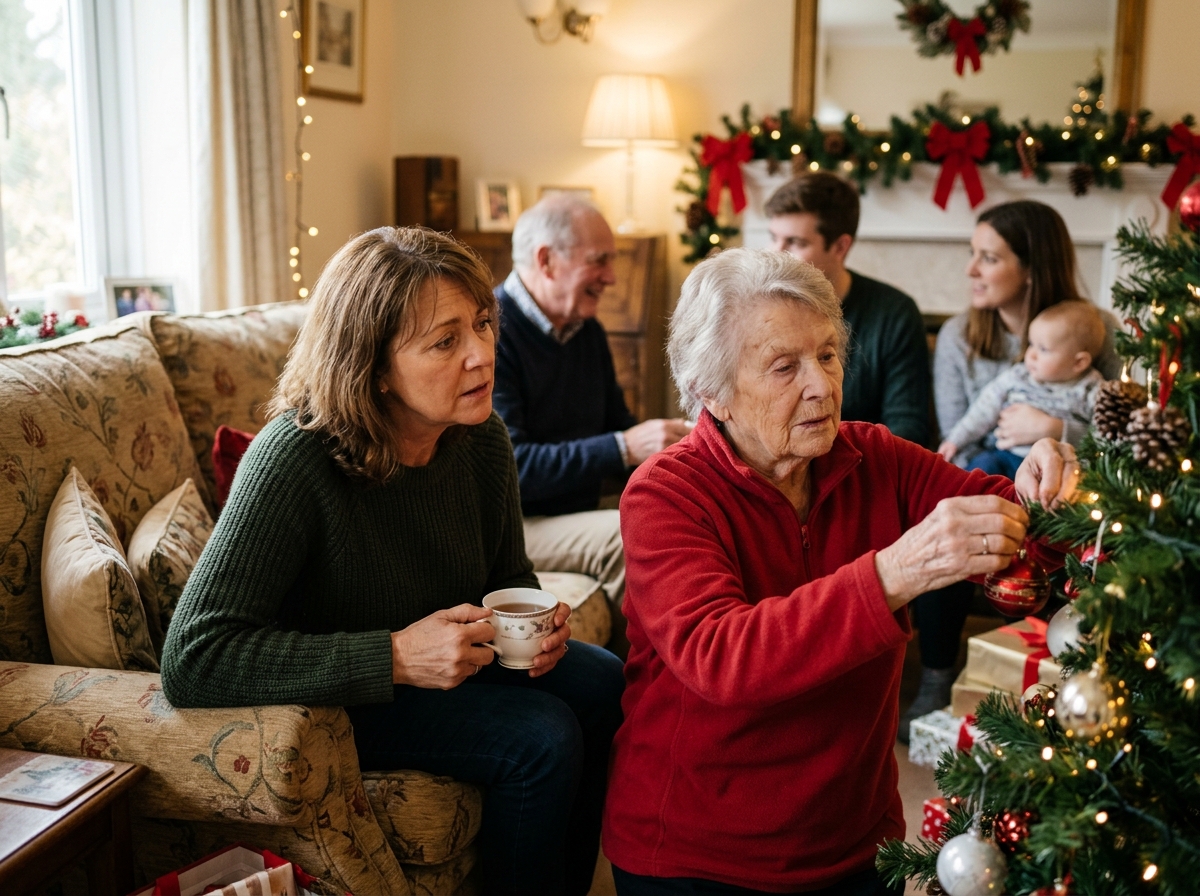
Long-distance caregiving makes weekly monitoring difficult. Many adult children only see elderly parents in person a few times a year, making the holiday visit checklist a critical elder care assessment tool. Voices sound normal on the phone even when memory loss, hygiene neglect, or home safety hazards are worsening. A parent can hide confusion in a five-minute call but not during a two-day visit.
Recognizing these signs early allows families to intervene before a crisis—such as a fall, medication error, or financial exploitation—forces an emergency decision. This is why senior wellness checks during the holidays have become a recommended part of family caregiver checklists nationwide.
Key Characteristics of Holiday Visit Warning Signs
1. Cognitive and Memory-Related Signs
Signs of dementia in parents often appear as confusion and disorientation, repeated questions, or trouble following conversations. Watch for:
- Getting lost in familiar places or forgetting well-known routes
- Difficulty managing medications, including missed doses or duplicate refills
- Trouble with daily tasks like cooking, paying bills, or using the phone
- Early dementia detection clues such as misplacing items in odd locations
Unlike normal forgetfulness, cognitive decline linked to dementia disrupts daily functioning and worsens over time.
2. Physical and Mobility Signs
Fall risk and mobility issues are among the most urgent senior safety concerns. Look for:
- Unexplained bruises or injuries
- Unsteady gait, gripping furniture while walking, or avoiding stairs
- Sudden weight loss, which may indicate malnutrition, depression, or illness
- Difficulty rising from chairs or getting in and out of the car
An occupational therapist can perform a formal home safety assessment if mobility concerns appear during the visit.
3. Home Environment Signs
The house itself often reveals more than conversation. Home maintenance decline and clutter and hoarding in elderly households are common red flags. Check for:
- Spoiled food in fridge or expired groceries stacked in cabinets
- Unopened mail piles or unpaid bills scattered around the home
- Broken appliances, burnt pots, or unusual smells suggesting neglected cooking
- Excessive clutter blocking walkways—a serious fall prevention for seniors issue
4. Emotional and Social Signs
Senior isolation and depression frequently coexist with physical decline. Signs of neglect in seniors often include:
- Withdrawal from hobbies, friends, or community activities
- Noticeable personal hygiene decline, including unwashed hair or soiled clothing
- Flat mood, irritability, or apathy toward holiday festivities
- Comments suggesting elderly loneliness signs, such as “no one visits anymore”
5. Financial Signs
Financial exploitation seniors face is a growing concern. Watch for stacks of unfamiliar charity solicitations, notices from collection agencies, or unusual bank withdrawals—all signs a parent may be struggling to manage money independently.
How Holiday Visit Assessments Work: A Step-by-Step Checklist
Use this aging parent safety check as a practical framework during your visit:
- Observe before engaging. Watch how your parent moves, speaks, and interacts before starting conversation.
- Check the refrigerator and pantry. Look for spoiled food, expired items, or an empty fridge suggesting poor nutrition concerns elderly households face.
- Review the mail and bills. Unopened mail piles or unpaid bills often indicate cognitive impairment or overwhelm.
- Inspect the medicine cabinet. Confirm prescriptions are current and organized—medication mismanagement is a leading cause of hospitalization in seniors.
- Walk through each room. Identify home safety hazards like loose rugs, poor lighting, or blocked exits.
- Ask about driving. Driving safety concerns elderly parents face include new dents, missed turns, or license renewal avoidance.
- Start a gentle conversation. Use conversation starters elderly care experts recommend, such as “How are you managing the stairs lately?”
- Talk to neighbors or friends, if possible, to corroborate observations about social isolation or recent behavior changes.
- Document specific examples. Note dates, quotes, and photos to share with siblings and a primary care physician.
For a comprehensive printable resource, many families reference a holiday warning signs aging parent checklist to structure their observations before, during, and after the visit.
Common Misconceptions About Holiday Visit Warning Signs
Myth: All memory lapses mean dementia.
Reality: Occasional forgetfulness is a normal part of signs of aging. Cognitive decline becomes concerning when it disrupts daily tasks, safety, or judgment—not when a name is momentarily forgotten.
Myth: A messy house just means a parent dislikes cleaning.
Reality: Sudden or extreme clutter, especially combined with hoarding behaviors, may reflect cognitive decline, depression, or physical inability to manage the home safely.
Myth: Weight loss in seniors is harmless.
Reality: Elderly weight loss causes range from depression and social isolation to malnutrition and undiagnosed illness. Unexplained weight loss warrants a medical evaluation.
Myth: If parents deny problems, everything is fine.
Reality: Aging parents often minimize elderly health decline out of pride or fear of losing independence. Objective observation matters more than self-report.
Holiday Visit Assessment vs. Routine Phone Check-Ins
Unlike routine phone check-ins, an in-person holiday visit checklist reveals physical, environmental, and behavioral clues that calls cannot capture. Phone check-ins confirm a parent is alive and verbally coherent; holiday visits confirm whether that parent is truly safe, nourished, and mentally sharp. A geriatric care manager often recommends combining both: frequent calls for emotional connection and periodic in-person visits for elder care assessment. This dual approach reduces caregiver stress by catching problems earlier rather than during a crisis.
Practical Applications: What to Do After Spotting Warning Signs
Identifying signs a parent needs help at home is only the first step. Consider these evidence-based next actions:
- Schedule a medical evaluation. A primary care physician can rule out treatable causes of confusion, such as urinary tract infections or medication interactions.
- Consult a geriatric care manager. These professionals coordinate in-home care options, benefits like Medicare coverage, and long-term planning.
- Arrange practical support. Meals on Wheels can address nutrition concerns, while a home health aide can assist with hygiene, medication management, and daily tasks.
- Explore structured programs. Adult day care reduces social isolation and gives family caregivers respite, lowering caregiver burnout risk.
- Discuss assisted living facility options. If home safety hazards are extensive, aging in place may no longer be realistic.
- Loop in siblings early. Knowing how to talk to siblings about aging parents’ care prevents conflict and ensures shared responsibility.
Key Takeaways
Holiday visits offer a rare, valuable window into an aging parent’s true health status. By systematically checking cognitive function, mobility, home environment, emotional wellbeing, and financial management, adult children can transform a single visit into a meaningful senior wellness check. Early recognition of memory problems in elderly parents, home safety hazards, and signs of neglect empowers families to act before an emergency—preserving both safety and dignity for aging loved ones.